
Stay informed with the latest trends in retail business, investment news, and entrepreneurial insights
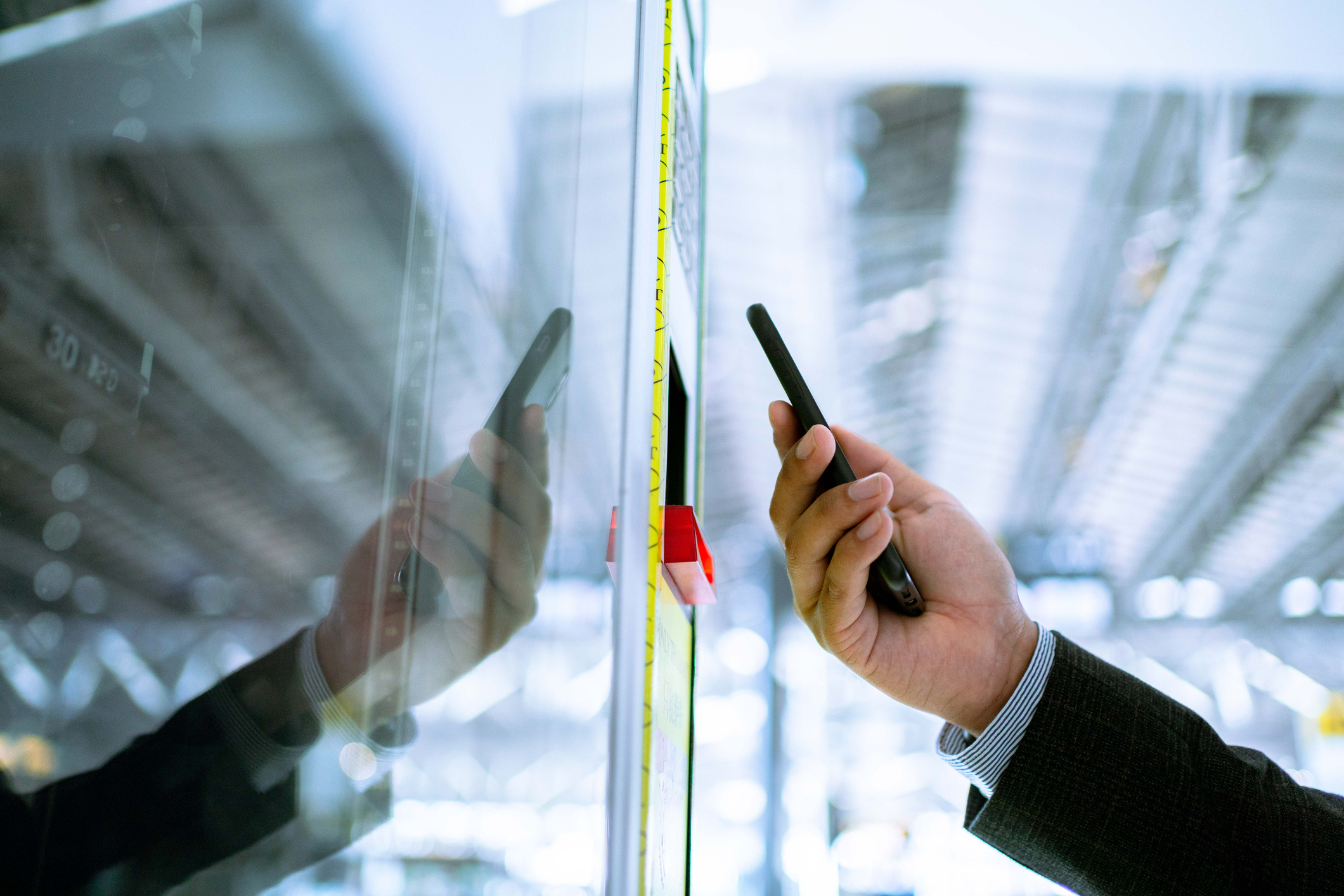
It’s now easier than ever to run a business completely on your own—with the help of some robots and other technology. Autonomous businesses run completely independently (or nearly so), and generally rely on software and robotics to run. Let’s take a closer look at autonomous businesses and how you might start one.
There’s many reasons that autonomous businesses are becoming more popular. First and foremost, the advances in robotics and software now make it easier than ever for processes to work with minimal supervision.
These advances have also made this technology more accessible to entrepreneurs. Previously, these high-tech robotics were only accessible to big companies, like manufacturing conglomerates and huge warehouses. Now, this technology is available in more areas, and with a more reasonable price tag.
Many of these autonomous technologies are also replacing jobs that are generally monotonous and not very engaging. Since robots don’t get tired, bored, or lose focus the way people do, it can be a great fit. Humans may need to conduct more complicated tasks, such as repairing mechanical components or troubleshooting bugs, but this is generally more engaging work.
All of these factors and many more have led to a rise in automation and autonomous businesses. Let’s take a look at some of these, including autonomous businesses that are available now, and some possibilities just on the horizon.
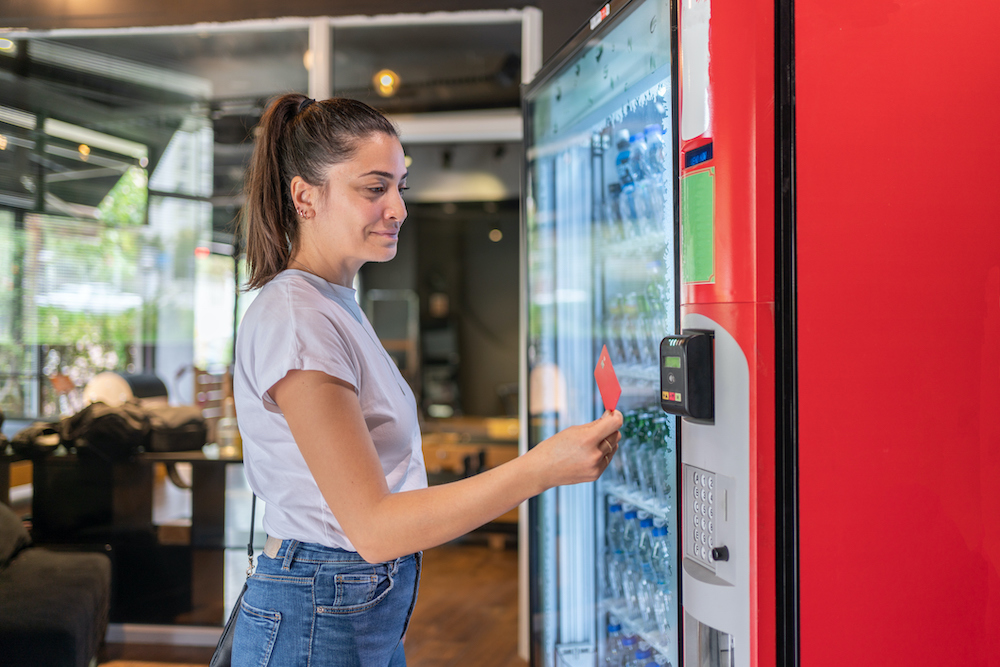
One of the oldest and, currently, most accessible types of autonomous businesses today is the simple vending machine. There are many different types of vending machines, including everything from electronics to personal care products to ice and water. With the right fit between products and location, these autonomous businesses can be quite profitable.
Ice and water vending machines are a quickly growing type of vending machine. These self-contained kiosks purify, chill, and dispense water and ice 24/7 without the need for an on-site attendant. Customers simply drive up, pay using cash or card, and collect their product. For entrepreneurs, getting started usually involves purchasing or leasing a machine, securing a high-traffic location (like a gas station or grocery store parking lot), and setting up remote monitoring to track performance and maintenance. These machines are particularly well-suited to warmer climates and suburban areas with consistent vehicle traffic.
Have a location in mind? Get your ice and water vending machine >>
Laundromats are another great example of autonomous businesses that have stood the test of time, now enhanced with digital payment options and app-controlled machines. A modern laundromat can operate with minimal staffing, using security cameras, smart locks, and cloud-connected machines that notify owners of issues remotely.
Starting an automated laundromat involves leasing a commercial space, investing in durable machines, and potentially offering add-ons like detergent vending or wash-and-fold lockers. These businesses perform best in residential neighborhoods, near apartment complexes, or in college towns.
Self-serve car washes operate much like laundromats, but for vehicles. These businesses use high-pressure hoses, automated soap dispensers, and self-vacuum stations to allow customers to clean their cars independently. Owners can monitor systems and collect payments remotely, only needing to visit periodically for maintenance and restocking. These facilities thrive along busy roads or near gas stations.
Starting a self-serve car wash involves a high upfront investment, but can be a lucrative business. The easiest route is likely to buy an existing car wash and update the technology accordingly. Constructing a brand new car wash will be more difficult, but you’ll be able to build it exactly the way you want.
Self-serve lockers are gaining popularity in cities and retail centers. These lockers offer customers a secure place to leave and retrieve items without staff involvement. These systems work best in densely populated urban areas where people are busy between different tasks, or they have a lot of different items they’re carrying. Ideal locations might include bus stations, train stations, airports, shopping malls, theme parks, public parks, beaches, or campgrounds. In these locations, self-serve lockers allow customers to leave their luggage, extra clothing, swimsuits, camping gear, and other items, for a small fee.
Self-serve lockers present low investment costs; you just need to place the lockers and make sure they’re secure. The biggest obstacle is renting space in the right location. It can be difficult to rent space in a transit center or park, and you’ll likely need to contact the right administrators to do so.
Print-on-demand online stores automate the entire product fulfillment process, from order to shipment. Business owners can create designs for t-shirts, mugs, posters, and more, while third-party services handle printing and delivery.
Getting a print-on-demand business started means setting up an online storefront, integrating with a print-on-demand platform, and marketing products through social media or paid ads. These businesses can operate entirely from home and appeal to creatives, influencers, or anyone with a niche audience.

Digital courses and content subscriptions are another type of automated business where the core product—knowledge or entertainment—is delivered with no ongoing labor, once the material is created.
Entrepreneurs can build and sell courses through platforms like Teachable, or offer exclusive content through subscription models. This business works best for people with subject-matter expertise or a strong personal brand, and it thrives online where reach is global.
Massage chair kiosks can be a great passive income source, with the right location. This type of business thrives in places where people simply have to wait, such as shopping malls, train stations, or airports. Customers pay to relax in a massage chair, with machines doing all the work.
This type of business is also relatively easy to set up, once you have the right location. These units can be monitored remotely and serviced as needed. Entrepreneurs can buy or lease units and negotiate placement with property managers.
The rise of smartphones created an interesting niche for power bank vending and charging stations. Most people now carry a smartphone with them, and rely on it heavily. However, finding a place to charge the phone can be more difficult. Smart vending stations for power banks allow users to rent a portable charger and return it to another kiosk. Or, the user can rent a slot and charge their phone at the location for a small fee. These stations manage inventory automatically and notify owners of issues through connected systems.
Starting this type of business typically involves purchasing or partnering with a power bank vending provider and placing units in nightlife areas, convention centers, or campuses—places where phone batteries often run low. You’ll need to manage the technology and make sure that it’s working properly, but it generally doesn’t require much upkeep or time.
There are more opportunities than ever to launch a business that works for you. As automation becomes more affordable and widespread, the window is opening for small business owners to take advantage of these streamlined, low-maintenance models. If you’re interested in starting your autonomous ice and water vending business, contact us today.
(904) 241-7535
278 US Highway 319 South, Moultrie, GA 31768
All contents and materials © Copyright Ice House America 2026
"*" indicates required fields
